It’s time to put fall to bed and prepare for winter. We’ve stored the lawn furniture and emptied the flower pots. The hoses are unhooked, the taps insulated. The garden is tidy, and the flower beds weeded. We’re ready to slow down, tuck in, and open ourselves to quieter, shorter days.
Sassafras
The leaves changed unevenly this year. Black walnut turned first, soft yellow sifting thinly to carpet the grass. The sugar maples added a brief, showy red, while silver maples clung to their green until the last moment. We spent the peak time for leaves in Brown County, Indiana, poking through shops and hiking at the state park. We came home to find a few scattered oranges among somber oaks.
Downtown from the Coffee Shop
After two decades in Colorado, enjoying fall Aspen, the color that startles me is the fluorescent peach of sassafras leaves. Even in the gloom of a winter afternoon, with the sun setting before 5 pm, the sassafras somehow gleam in the shadows. Above them, the setting sun casts pinks and lavenders against ragged clouds.
Acorn
Much more somber, the oak leaves are raining down even as they persist in the canopy. As kids, we raked those heavy leaves every fall, making giant piles for jumping into or piling over each other. The scratchy bits, and a few insects, would find their way down the backs of shirts and pants. Looking up through a blanket of brown leaves, I would watch the contrails of airplanes spreading out, white against blue. Those memories are carried back to me on the scent of warm leaves and acorns crunching underfoot.
There’s a wonderful space available in the weeks before Thanksgiving. In that space we can take a breath, take a walk, and watch the scattering leaves fall like snow.
Recently, my friend Kristina and I met at the Great Marsh Trail in the Indiana Dunes National Park for nature journaling. I expected sunshine, mosquitos, lots of birds, and overgrown trails. I didn’t expect small dramas to unfold as we worked. Nature is teaching me to pay more attention.
It can be hard to settle down to observing and sketching. It turns out you can’t bird, and photograph, and sketch all the same time! And then you want a better look at a swallow, or are distracted by sandhill cranes honking in the distance. Somehow we managed to settle in. A cooperative Common Yellowthroat returned several times to sing from a favorite perch. Kristina captured his confident posture and made a beautiful sketch of his surroundings (see her wonderful avifauna paintings at KristinaKnowski.com)
Capturing a Common Yellowthroat in action. Copyright Kristina Knowski.
I had a long look at Canada Geese through my binoculars and enjoyed sketching them. They were rolling their heads at one another, and I wondered what they were communicating.
Birds are constantly in motion. Copyright Christine Hubbell.
Clouds moved in and the wind picked up. We headed east, hoping to find a viewpoint into the next marsh and maybe a peek at the cranes. We passed a turtle and a frog on the trail. What did they think of each other?
A storybook encounter? This Northern Leopard Frog seemed to be making the same journey as the turtle.
On our way out Kristina noticed a noisy confrontation unfolding just off the road. A variety of bird species were agitated, but it was the Oriole making the most racket. He was harassing a pair of red-shouldered hawks. I saw the female come in once, and we spotted a feisty robin approach, but otherwise the Oriole was on his own. We didn’t stay to see who won, but I left with loads of questions.
A dramatic encounter recreated from memory and photos, enriched by curiosity. Copyright Christine Hubbell.
Observation opens our curiosity in ways that can only be satisfied with more observation. Were the frog and turtle “together” on the trail? Or were they coincidentally moving from the wet marsh to drier land? Maybe we happened on a favored crossing zone. Had the hawks eaten recently? (They seemed disinterested in the kerfuffle they were creating.) How often do the hawks visit that spot?
Unanswered questions, excellent company, and a beautiful day are now woven into the pages of my journal, and I’m grateful for the ability to be aware and present in nature. I’m sure I’ll enjoy this rich set of memories during the darker and quieter days of winter.
Memories surface like waves. The roar of the water on a windy day. The cool air juxtaposed against the heat of the sun on my skin. Sand pouring into the back of my shoes as I slide down a steep dune. I’ve been playing at the beaches along Lake Michigan’s shores since before I could walk. Many decades later, my joints are a bit stiff, and my skin is a little loose, but when I’m perched on a dune looking at the water, I feel young.
Brisk waves batter the shore. I can’t hear anything over the wind.
“Find a comfortable seat” is a basic guideline of nature journaling. This includes finding a comfortable place to sit or stand for the duration of sketching, and also taking good care of myself outdoors. No matter how long I plan to be out, I assume I’m doing a pack in/pack out day camp, complete with water, snacks, safety, and other comfort items. Sunscreen, bug spray, and for me, poison ivy wipes, are essential.
Getting comfortable in the sand. Too windy for my big-brimmed hat!
After that, I let the rules drop away and enjoy myself. I have no idea what I’ll find to look at, and that’s part of the fun. Sometimes nothing grabs my interest, and I stare over the top of my sketchbook. It’s okay to be in the moment.
Recording what I observe cements the experience in my memory. It’ll be fun to revisit this page during the dark days of winter.
I’ve taken the advice of a number of journal enthusiasts to start my page with a location map or landscape. On this trip, I loved the way the dune bluffs scalloped away from the water into the distance. I didn’t quite capture it, so I’m looking forward to going back. The nice thing about a landscape is that you can usually return more than once.
A Dune Tiger Beetle, genus Cicindela, on the hunt.
Another technique I’ve learned is to let my attention be drawn back from a distance to my immediate surroundings. That’s how I noticed one beetle chasing a much smaller beetle across the sand. Lunch!
George Fred Keck’s House of Tomorrow, moved to Beverly Shores from the Chicago World’s Fair. There are five Century of Progress homes. The other four have been leased to tenants who have restored their interiors. This home is currently being remodeled.
Dunbar Beach in Beverly Shores is now part of the Indiana Dunes National Park. But when I was growing up, the Century of Progress homes, the narrow sunlit beach, and the bend in the road at Kemil Beach were the nameless landmarks of our endless childhood summers. I love being back.
We just had a cold snap here in Colorado Springs, with night-time temperatures dipping below 40. Mornings have a crisp chill that makes it hard to get out of bed, and spots of gold and russet signal the beginning of Autumn. Nature is pointing us toward a quieter cycle, and a last chance to sketch deciduous trees before they drop their leaves for winter. It’s the perfect time to share some quick tips for sketching trees.
Copyright 2021 ChubbellArt, Ltd.
Cottonwoods and Mountain Ash, American Plum, Gambel Oak and Willow, and even the little Common Hoptree sapling in our yard will be putting on fall color soon. So while the days continue to warm into the 70s and low 80s, I get my kit and head down to the park.
Copyright 2021 ChubbellArt, Ltd.
I remember the first advice I got about sketching trees: “Don’t draw lollypop trees.” “Don’t try to draw every leaf.” That leaves (ha ha!) quite a bit of room for the unknown! So let’s back up a step to prepare for sketching by looking intentionally at different aspects of trees.
Sit far enough from the tree to see all of it without straining. Copyright 2021 ChubbellArt, Ltd.
Start by finding a comfortable seat far enough from the tree so you can see all of it without moving your head. By asking productive questions, you can break the tree apart to understand it, then put all the pieces back together in a coherent way. Here are some questions to get you started:
Can you pick one shape that represents the tree? Maybe it’s a diamond or a cone, a sphere or even a cube. The shape of the tree may be typical for its species.
Is the tree in direct sunlight or shade? How do the shadows create the three-dimensional form of the tree? How might they change in the next 15 minutes? The next hour?
How does the tree grow? Working from the roots and trunk upward, how do the main branches divide from the trunk, and what are those branches like? How many branches can you see peeking through the leaves or needles? Is the trunk single or double? Is it straight, gnarled, split?
What shapes do the leaves or needles make as they form clumps along the branches? Cones? Cubes? Spheres? Can you see individual leaves? What shapes are the leaves? Leaf shape is also a way to identify a tree species, so you might want to sketch the leaves separately.
What’s unique about this tree? Are there interesting bits of sky visible between leaves or branches? Does the tree have a cavity or a nest?
What do you love about the tree? Something drew you to this spot. What was it?
You can start to record your observations at any point, just know that you’ll want to make adjustments while you work. Start with a light touch in pencil or pen, then reinforce the lines as you work. I like to create an “envelope” based on the ratio of the tree’s height to width. I draw the envelope first, then cut in the overall shape of the tree. Inside the shape, I place the landmarks I’ve observed. These landmarks are essential for getting the details in the right places. There’s a time-lapse video at the end of this post that shows my process.
Branches are a lovely subject for studying negative space. Copyright 2021 ChubbellArt, Ltd.
Deciduous trees offer us that last beautiful gasp of color before they drop their leaves in the fall. The golds and yellows we get here in Colorado won’t peak for another week or two. But I know that bare branches are just around the corner, and just as fun to sketch!
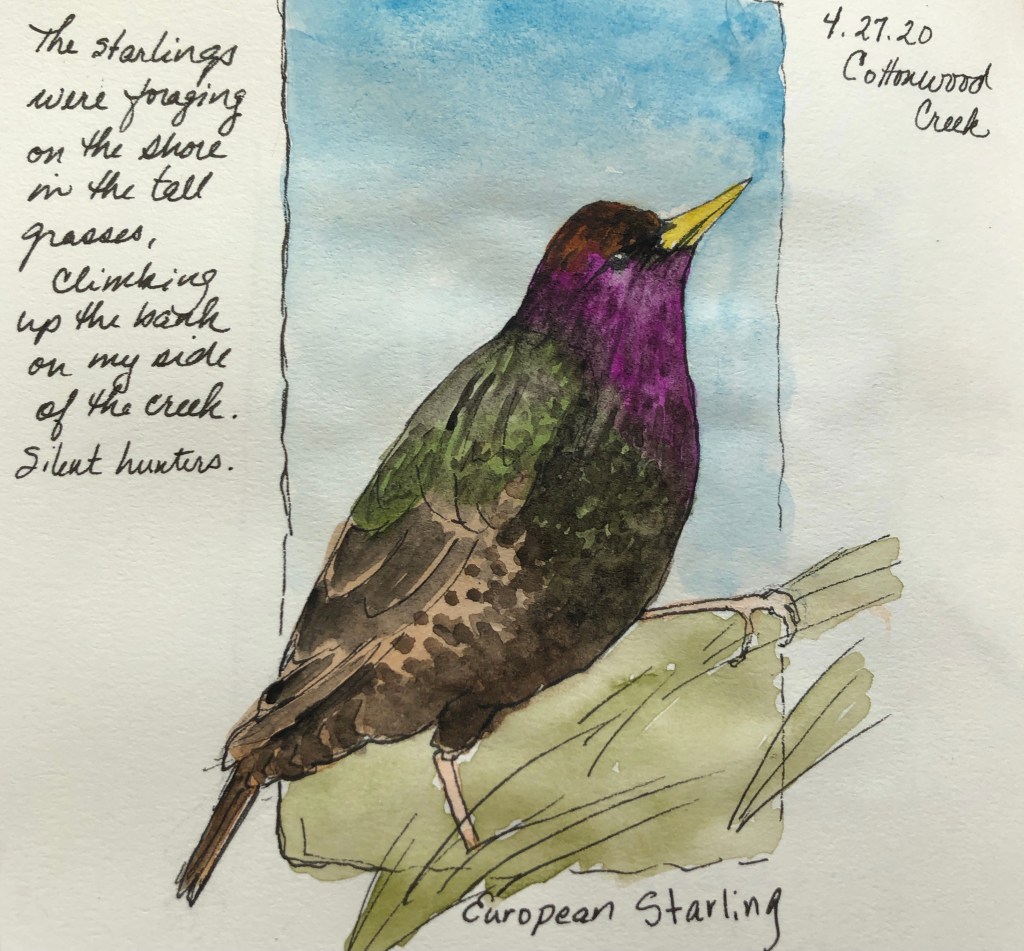
When the weather was too poor this winter for outdoor sketching, I set up my drawing supplies on the porch, plugged in the space heater, and worked on sketching birds from life. I found the chickadees and finches very challenging. Why couldn’t I observe some sleeping ducks on a pond instead? But the most convenient, numerous collection of live birds was right there on the other side of my window.
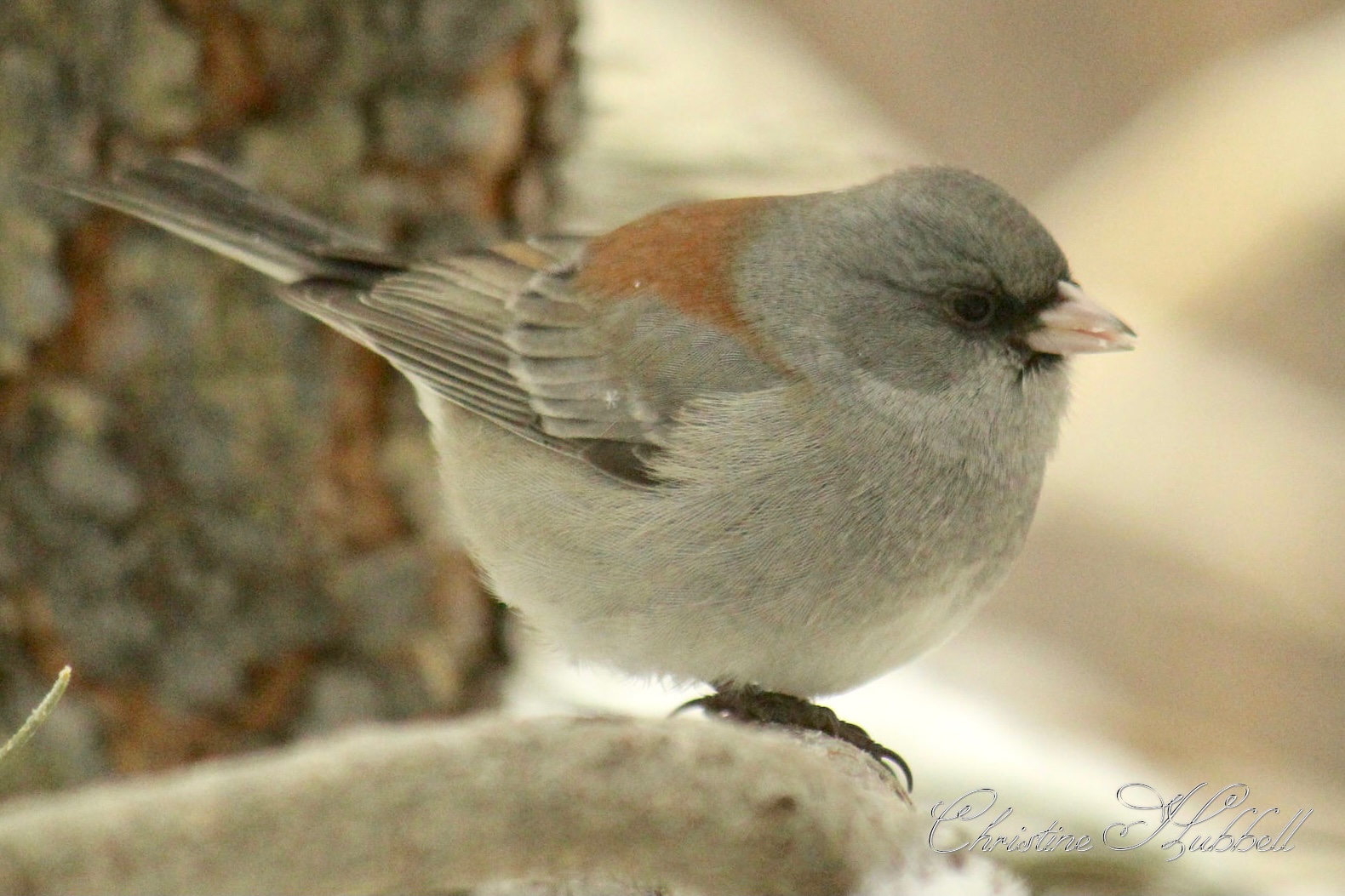
February feeder birds sketches, mostly Juncos and House Finches.
So I worked, and struggled, and wondered how anyone completes an actual sketch of a bird in the field. I started with basic gestures, borrowing ideas from books, blogs, and videos. I knew I could draw from photos, but I wanted to be able to complete a finished-looking sketch during my sketching session. Then I found a bit of helpful advice: build your memory.
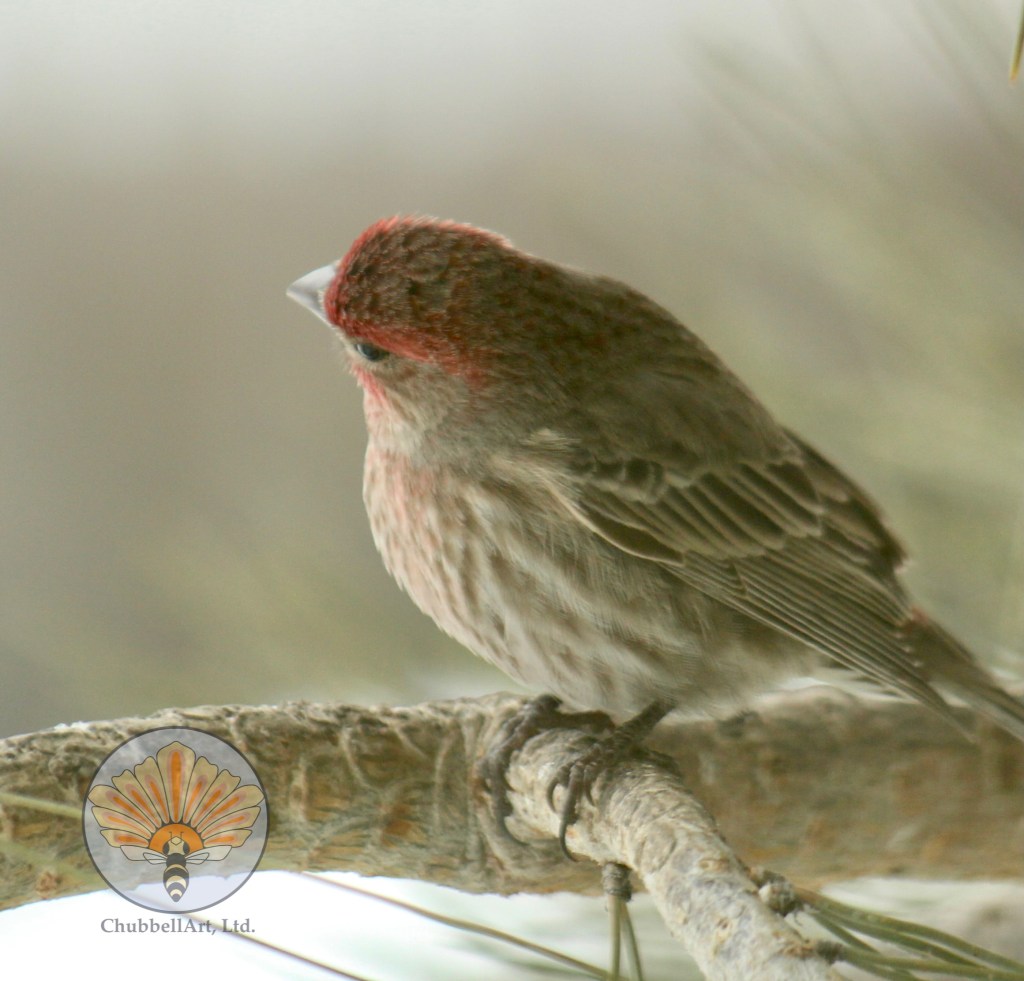
Always on the lookout, and constantly on the move: House Finch in the Ponderosa Pine. You only get a moment to capture something about a live bird.
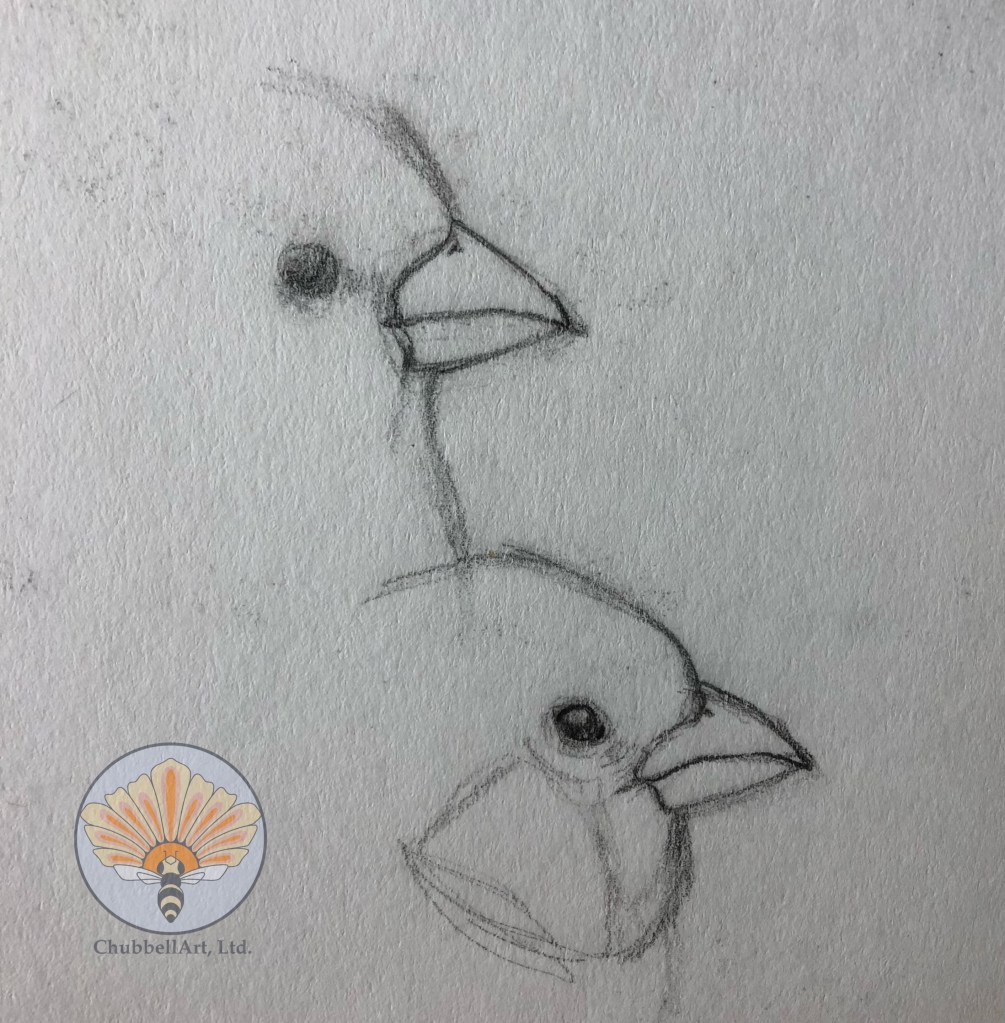
Hmmm, I thought. I guess I should memorize the shape of that finch bill. But no, it’s not like school. I couldn’t memorize a set of visual facts. Putting the right information into memory requires repeated drawing from life, which enhances both my observation and drawing skills.
The more we look, the better we understand. A second observation of a House Finch bill at bottom right.
When I realized that the practice itself would build my memory and make sketching faster, I stopped struggling. Drawing from life is recommended by successful bird artists like John Busby and William T. Cooper. Busby was a British wildlife artist, educator, author, and a founding member of the Society of Wildlife Artists. He described bird sketching as a long-term practice:
Encounters with wild birds are usually measured in split-seconds, and one is rarely given another chance to react…It does take time to learn to draw quickly and a good memory and a high-speed response is something to cultivate…there is much that can be done to sharpen observation and fix events in your memory.
John Busby, Drawing Birds Timber Press, Second Ed 2006
William T. Cooper was a prolific Australian bird illustrator who worked from life. Here he explains the experience of developing a working memory of your subject:
Drawing from life is very important: it allows much more information to penetrate the mind than when copying from a photograph. This information enters the subconscious and will be drawn upon when required some time in the future.
William T. Cooper, Capturing the Essence, Techniques for Bird Artists Yale University Press 2011
He makes it sound almost magical. And I’m discovering an ease to developing these skills when I stop struggling and let the process unfold. I’m working on more responsive gestures while I let bird behavior and proportions seep into my brain. As I work more quickly, that thinking, left brain settles down, and I also feel more present.
Migratory birds add color and excitement to the feeding stations.
It’s May now, and migration season in Colorado is in high gear. Western Tanager, Bullock’s Oriole, and Black-headed Grosbeak are competing with a small, noisy flock of Pine Siskin for seeds and oranges. What a delight to sit here for an hour working with the birds, gently encoding all that behavior, noise, and color into memory.
I love to use mixed media in my nature journal. That means making tough choices about how many pencils and pens to bring along, and what types of color media to include. This post explores ways to mix up your color tools without breaking the bank, and without loading down your sketching kit.
Nature sketching with color can be quick and light
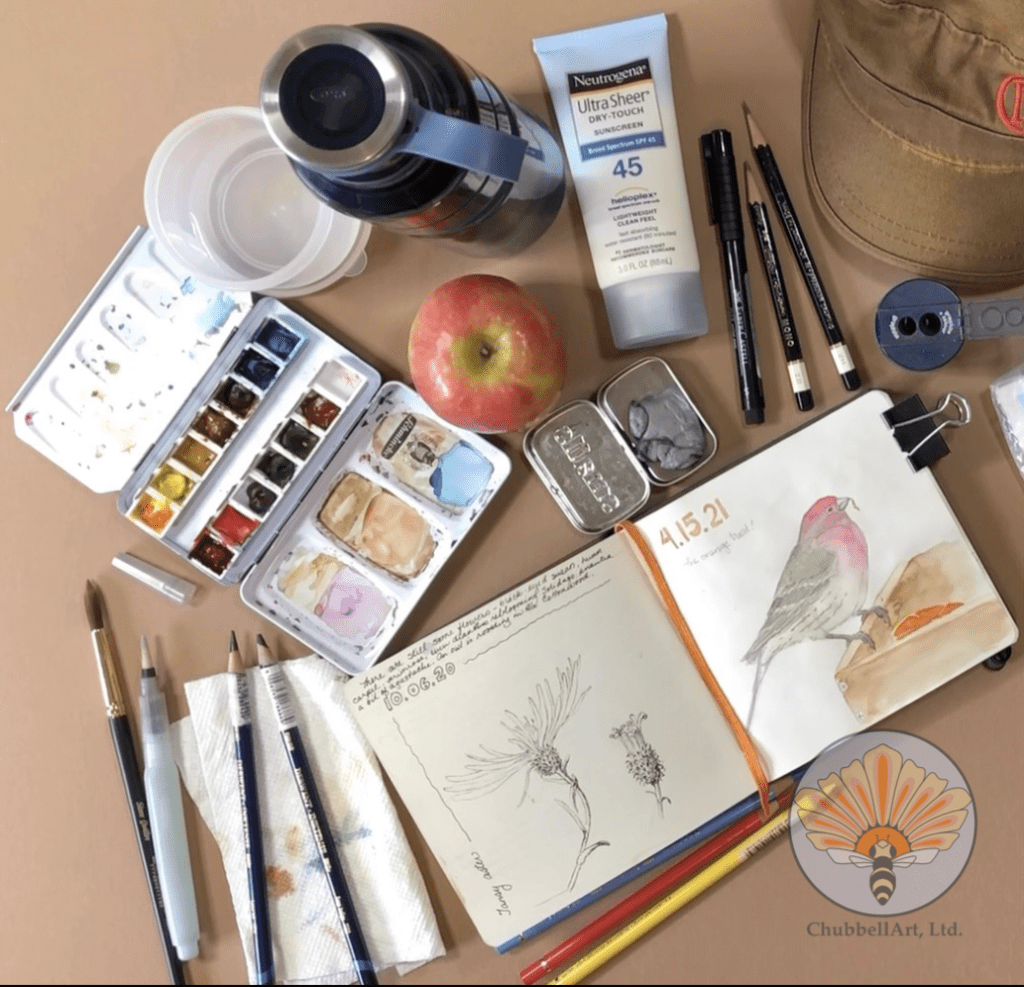
A basic kit might contain nothing more complicated than a sketchbook and a pencil. Add a bottle of water (and any necessary comfort items), and you’re ready to go. This is a light option, not just in terms of ounces, but in terms of attention. You won’t be distracted by extra supplies – Did I lose my eraser? Where is that darned sepia Inktense???
My basic nature sketching kit
So when I want to bring color along, I try to keep it simple and go for tools that are lightweight and offer little distraction. I have a small watercolor palette, which requires a brush and a bottle of water. This is my “fussy” choice. Or, I might bring water color pencils (a few, not the whole set!) and a water pen (a nylon brush with its own water reservoir). Occasionally, I’ll trim my kit down to just three colored pencils: red, blue (or black) and yellow. I mean, you can make any color of the rainbow with those, right?
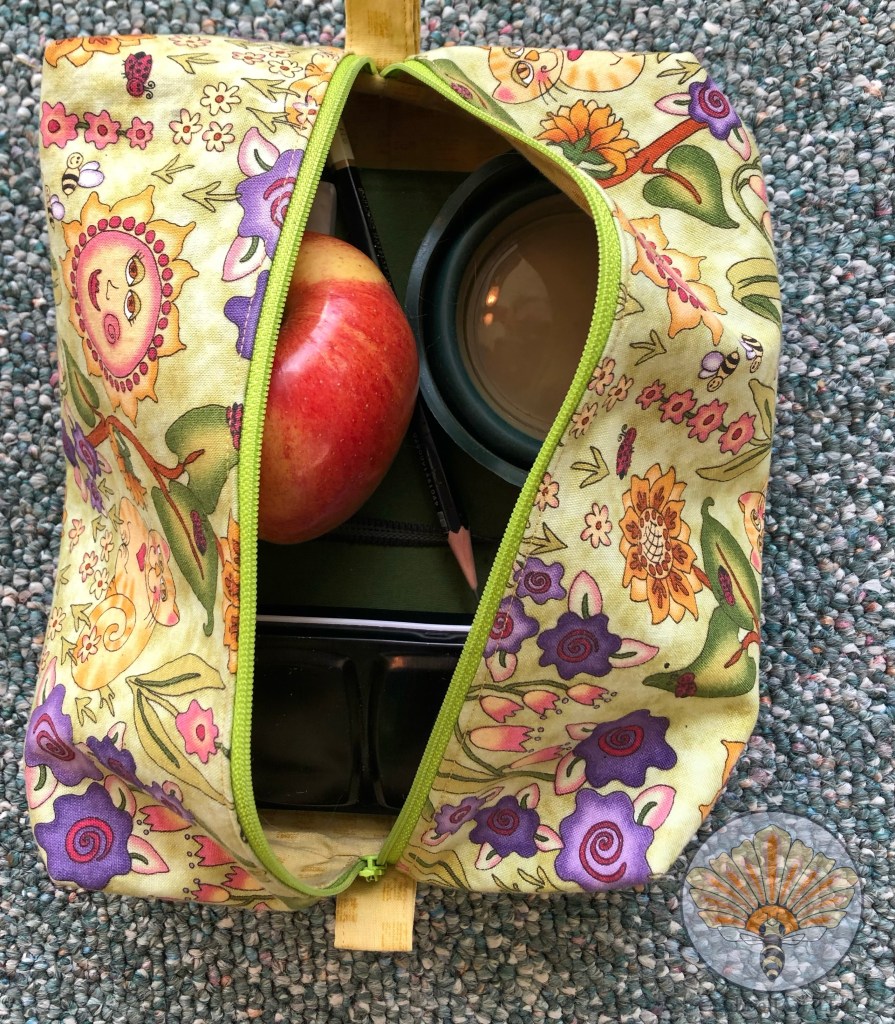
Everything fits inside this zip bag, then tucks into a backpack.
By packing thoughtfully, I can bring a small range of colors in multiple media. This lets me have fun with layering them in one sketch. For example, I might apply water color pencil, then reinforce it with regular colored pencil after the paper has dried.
Lay down water color pencil, then activate it. Once dry, top with regular colored pencil or graphite.
I also like to create my own coloring pages of birds and flowers from my nature journal. I start with a sketch, outline significant lines in permanent ink, and let the ink dry. Once I erase the pencil, I’ve got a lovely contour drawing, perfect for sharing. If I’m still out of doors, I snap a photo, color the original, and keep layering!
Make your own coloring page by inking in your lines and erasing the graphite.
I can also capture the tones of a subject with just ink or graphite, and leave color for later (or not at all). Colored pencil, water color, and marker can all be layered over the graphite, which will also help to seal the graphite in place (less smudging).
For darkest areas, try starting light, then crisping up edges and lines as you get darker.
For me, keeping a light kit makes a sketching session easy and unlabored. And the more I enjoy my nature sketching session, the more likely I am to grab my kit and head outdoors, which of course increases my enjoyment. So pack light, and get out there!
It’s late winter, just around the corner from Valentine’s Day. It’s the perfect time to reflect on the many loves in my life, including my passion for birds, art, and science.
These three loves coalesce in the practice of natural science illustration, often referred to as “art in the service of science.” But science can also serve beauty. Accurate, detailed drawings can capture our imaginations and hearts in a way that leads us to curiosity, delight, and a desire to protect.
In the end we will conserve only what we love, we will love only what we understand, and we will understand only what we are taught.
Baba Dioum
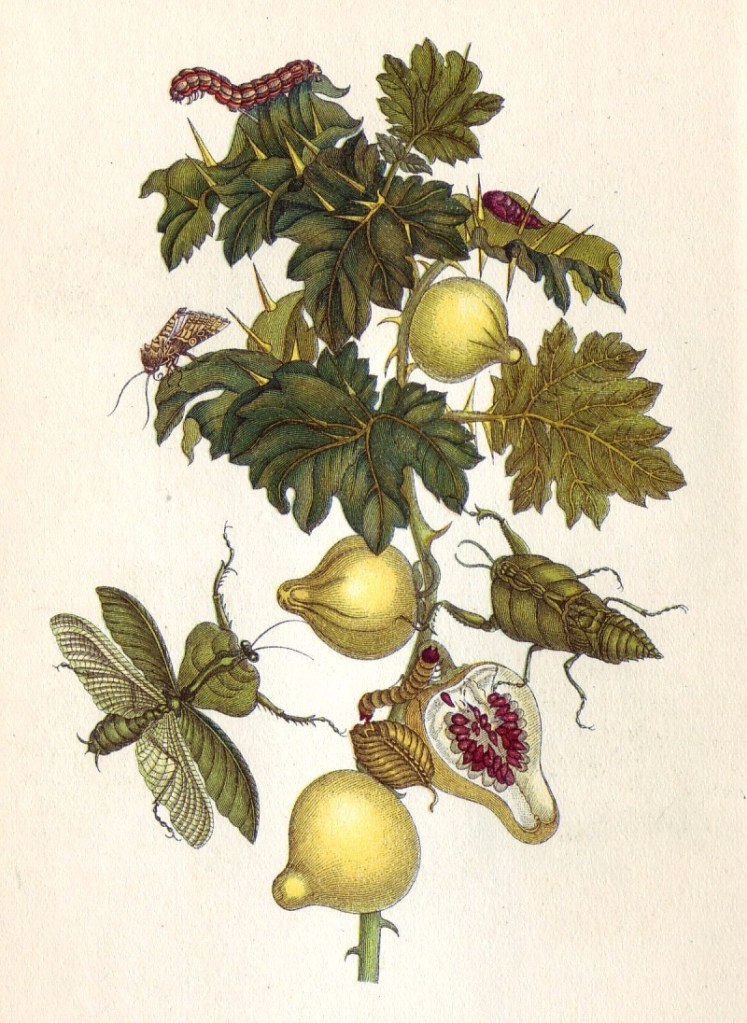
Maria Sibylla Merian 1705
In 1699, Maria Sibylla Merian left her home in Amsterdam and traveled with her daughter to Surinam where she continued her work as an entomologist and natural science illustrator. Sibylla Merian was an entomologist, illustrator, and publisher. Her work redefined what was known about metamorphosis. You can see in her engravings and paintings how lavishly she loved what she encountered.
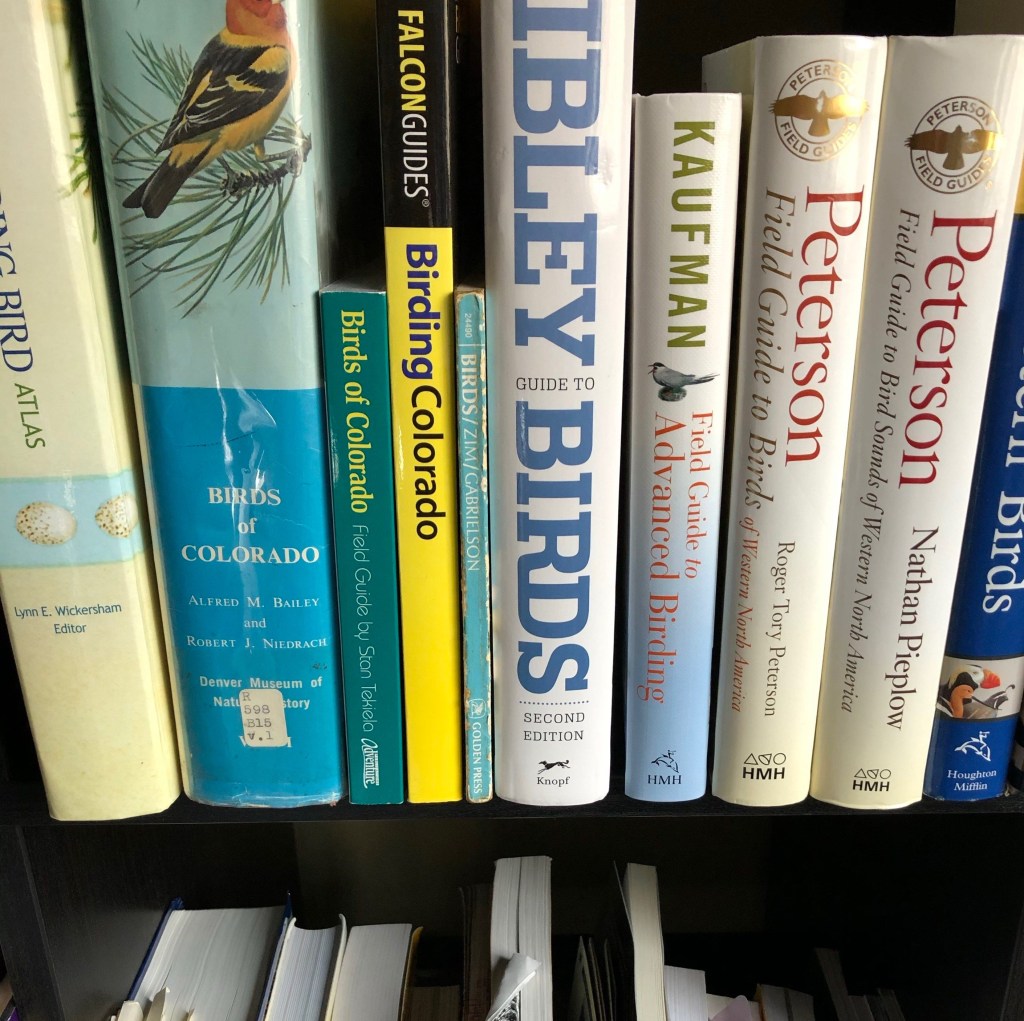
Today we encounter natural science illustration almost everywhere we look. If you’re a birder, you probably have at least one field guide on your shelf. We rely on the adept illustrations of each species to help us identify birds (and other life) in the field. But we may not be aware of the thousands of hours of research, field observation, and craft needed to produce these complex works. That’s what natural science illustrators excel at: simplifying complex scientific ideas with rigorous accuracy. This is a job for people with passion.
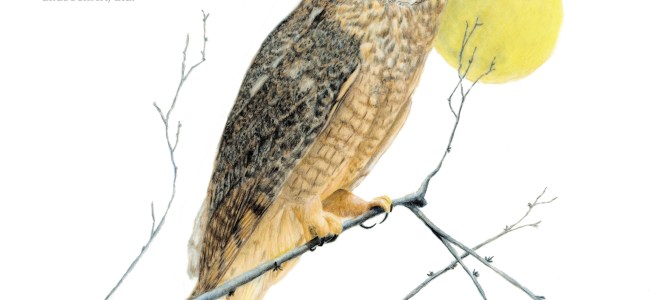
At the Denver Botanic Gardens School of Botanical Art and Illustration, I learned how to be rigorous in researching and understanding the plant species I illustrated. When I decided to concentrate on illustrating birds, I wanted to apply that same rigor, but with a shift in focus. I wanted to render birds as accurately as possible for the sheer joy of it. My hope is that the delight and joy of rendering the beauty of birds comes through in the lush details and colors, the soft textures, and even the scaly feet (always challenging for me to see properly, and endlessly fascinating). My bird studies are just beginning.
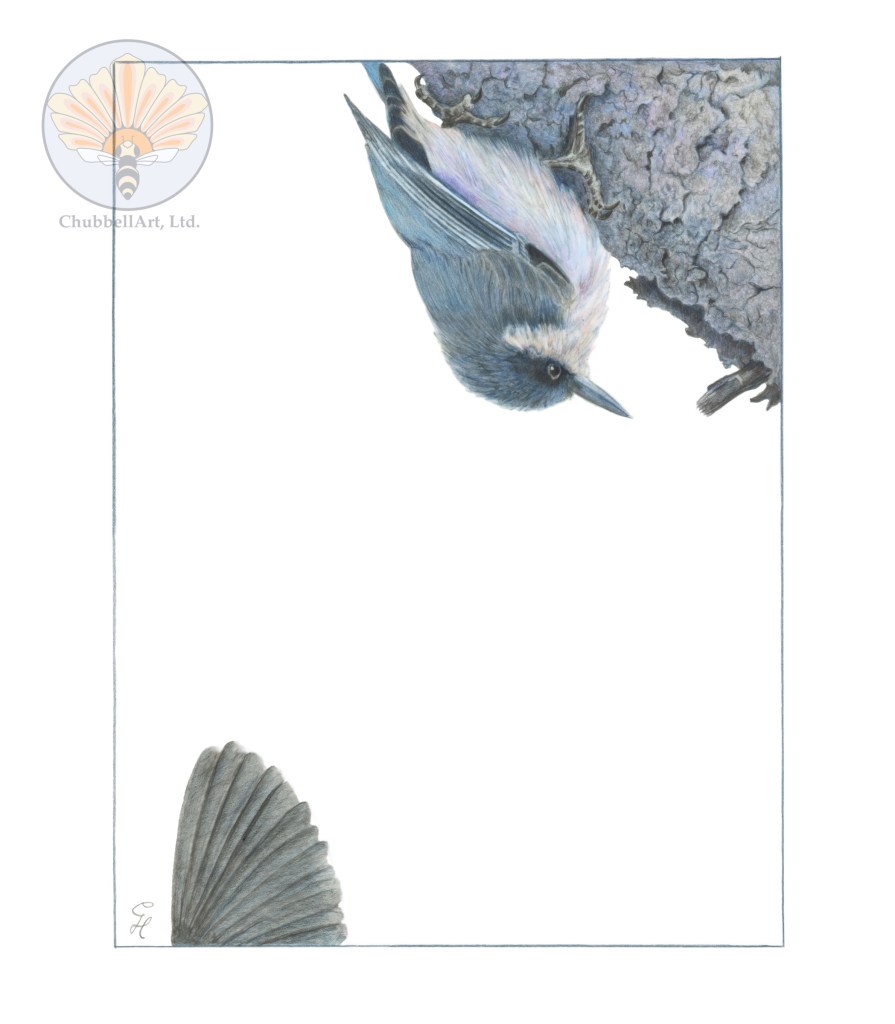
Pygmy Nuthatch / 2020 Copyright Christine Hubbell
Drawing and illustrating birds is a highly rewarding, challenging practice. You can start at any age, and with the basic skills of handwriting. A great place to start is in your nature journal. This is where you record what you see, hear, and experience. And you don’t need big outdoor spaces. A porch, patio, or back yard will do. Record your observations over time and you’ll also have a rich historical record of your experiences.
Some of my favorite nature journaling resources are by John Muir Laws. His books on journaling, drawing birds, and teaching are carefully written, easy to follow, and enormously helpful. David Allen Sibley has wonderful process and drawing videos available from his website as well.
For all things bird, explore the amazing artists and educators at the Cornell Lab of Ornithology Bird Academy. They offer both real-time and recorded nature journaling workshops as part of their extensive series of classes and workshops.
Hermit Thrush / 2021 Copyright Christine Hubbell
There are so many reasons to love the artistry that allows us to understand birds, and so many reasons to love birds through making art. When we draw birds as a way of studying them, our minds shift to observing with intention. We learn to see aspects of birds that we would otherwise miss.
I’ve posted the following for anyone who’d like more time to draw along with the images in my Aiken Audubon nature art presentation.
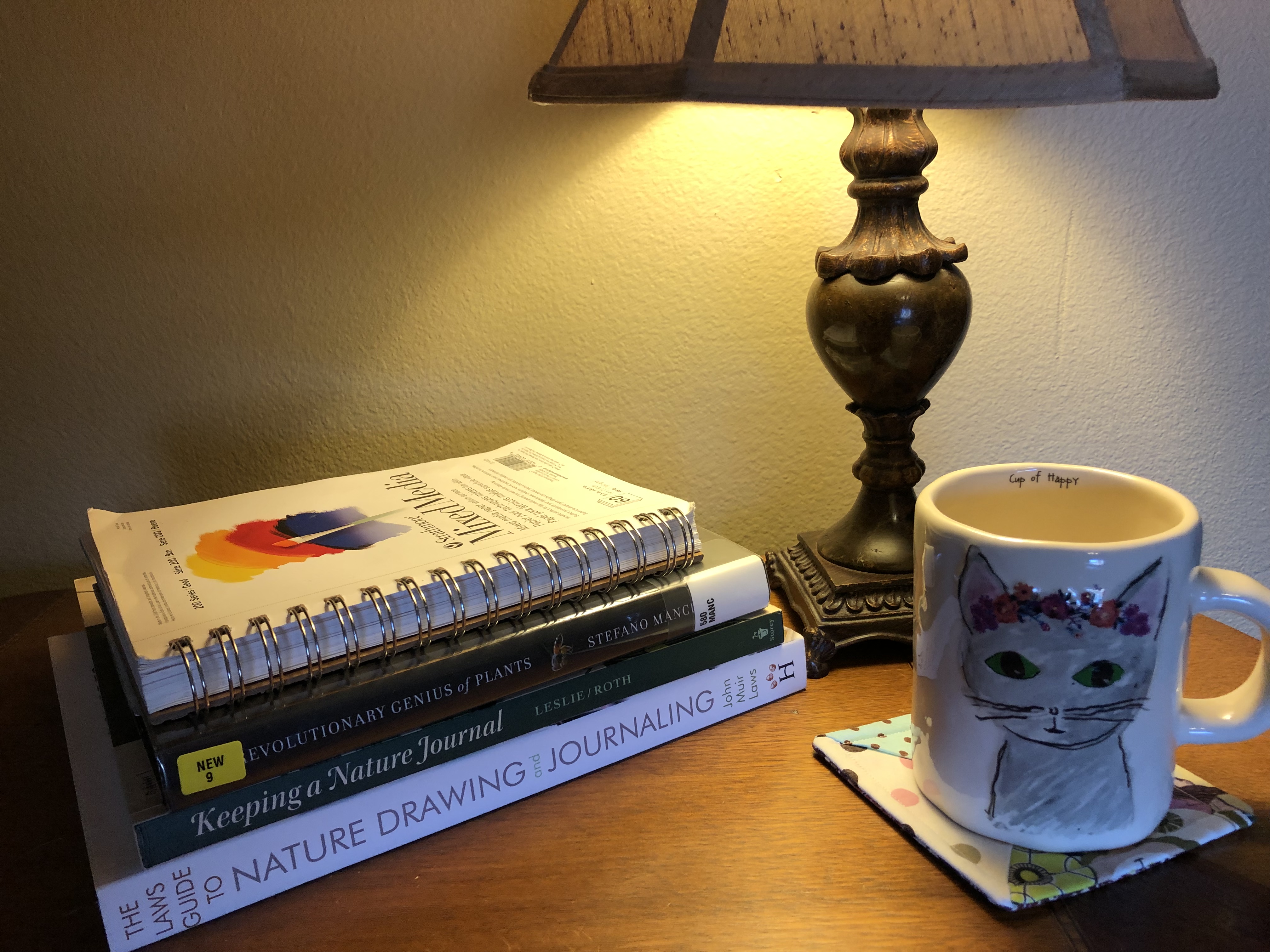
If you’re anywhere in the northern United States today, you’re probably experiencing dangerous cold. It’s the perfect time to take shelter with a good book. Here are three books on nature and art that are absorbing my interest this week.
The Revolutionary Genius of Plants by Stefano Mancuso
What a delight to breeze through this exploration of how plant adaptations can inspire us to achieve our very human needs and desires. I kept saying to my husband “this book is crazy!” But I also kept reading, even after Dr. Mancuso argued that plants may have a form of vision. No kidding. There are wonderful stories here about how plant structure informs some of our most creative architecture or how the decentralized organization of plants could teach us to create robust democracies. I’ve always been more into birds than plants, but this book could tip the balance in favor of plants.
Keeping a Nature Journal by Clare Walker Leslie and Charles E. Roth
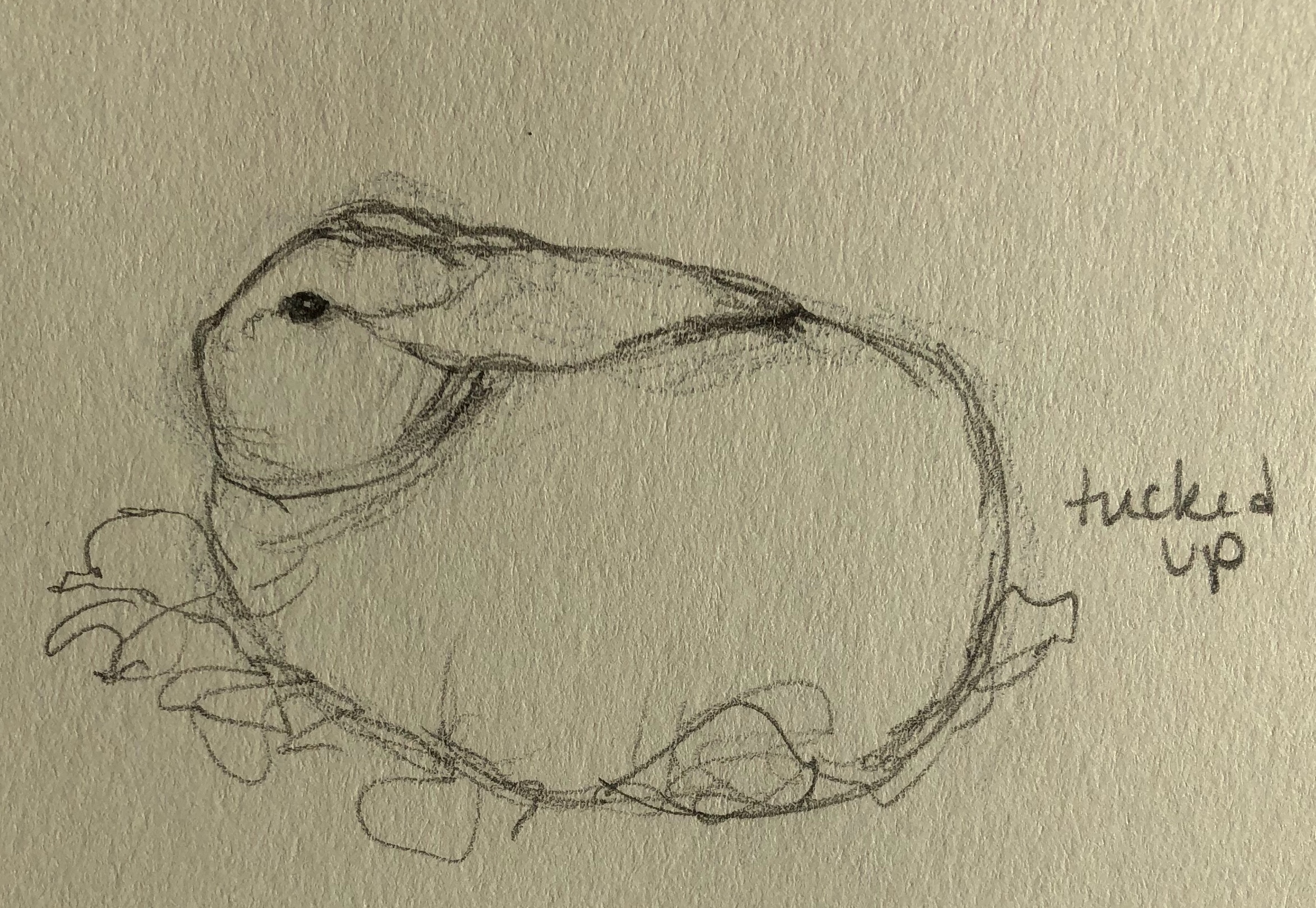
I spent a happy half hour on my chilly porch sketching our resident rabbit and a few end of day birds with this book at my side. Leslie and Roth encourage readers to begin where they are by observing everything around them and recording it with any available tools. The object is to connect to the natural world locally, by exploring our cities and neighborhoods and parks without judgement. It’s the perfect message I hope to carry into the sketching workshop I’ll be giving in May, plus my sketchbook is filling up with happy observations.
The Laws Guide to Nature Drawing and Journaling by John Muir Laws
I love this comprehensive guide to drawing from nature. At 300 plus pages, it’s hard to imagine anything Laws hasn’t covered. From how to observe nature (including how to estimate groups of birds) to contextualizing observations by including maps and landscape sketches, there is enough material here for a lifetime of study. Because I struggle with page composition in my sketchbooks, I skipped to that section and picked up some good tips. It’s that kind of text – dip in and find what you need or absorb it cover to cover.
The arctic temperatures may be ending, but we’re not quite done with winter. So stay warm, make some art, and keep reading!
Got a good nature or art book to share? Post a comment!
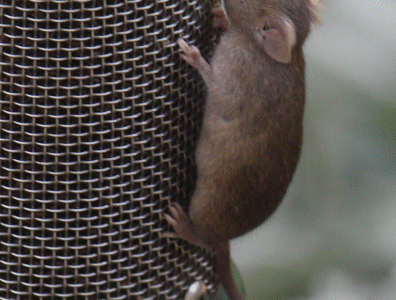
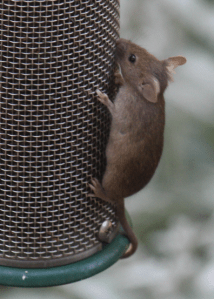
Recently I needed reference photos of mice. I’ve snapped bighorn sheep, pocket gophers, praying mantis, flies, fish and salamanders. Rabbits by the bucket. Squirrels by the tub. Not one mouse.
Be careful what you wish for.
My husband and I were having dinner on our porch when I heard him say “what the heck is that?!?” He’d spotted a mouse gathering spilled thistle at the base of the bird feeder. We spent the next few nights photographing and counting mice. We may have to think about a relocation plan. Or at least a little tightening up around the foundations before fall.
But how nice to have the universe respond in a moment of need. In fact, it’s been a season of serendipity. When I attended the annual conference of the Guild of Natural Science Illustrators in July, I lucked into the perfect experiences.
I learned about advocating for tiny members of our ecosystem in a talk by Marla Coppolino. Her presentation gave me ideas for raising awareness of Colorado native bees and pollinators. I took home an incredible piece of artwork sculpted by Karen Johnson. I want to wear it everywhere!
Linda Feltner taught a workshop using the principles of notan – creating a balance of lights and darks, warms and cools in a composition. I’ve taken a bird workshop from Linda, and love her teaching style and her depth of knowledge about painting the natural world. Her GNSI workshop was an eye-opening exploration of composition for natural science subjects. I gained an understanding of how to situate the birds and insects I want to illustrate in their environment. I can’t wait to get started.
Leon Loughridge (Dry Creek Art Press) also demonstrated notan principles in his field sketching workshop. Leon showed us how to see the lights, darks, warms and cools in the landscape and to shape them for good balance. Something else I’m anxious to practice.
Recently, I needed some raven photographs. There are ravens just up the hill, but they are cagier than mice. I may need more than serendipity.










 Christine Hubbell